Behind the Screens: How Interaction Data Builds Customized Reward Systems in Hybrid Wagering Apps
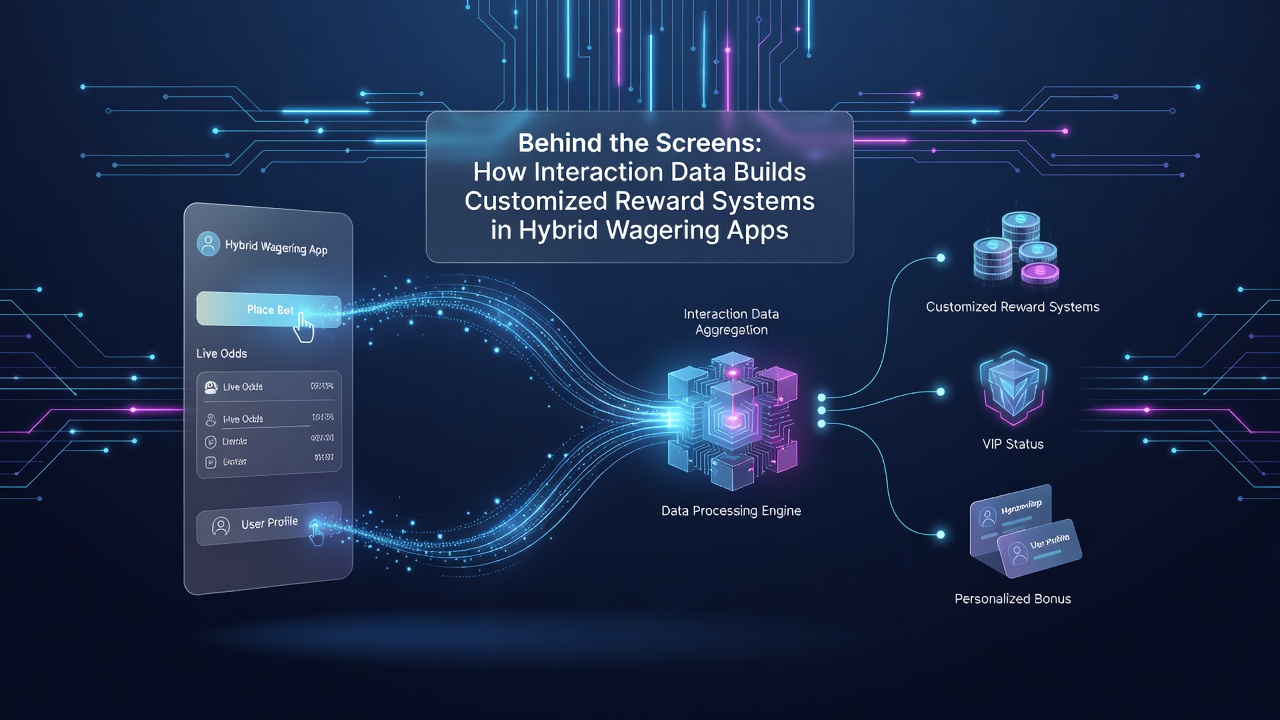
Hybrid wagering apps that combine sports betting, crypto casino games, and live poker rooms collect vast amounts of interaction data from users each day, and this information directly shapes the reward systems that appear on individual screens. Operators track session lengths, game preferences, bet sizes, and navigation patterns to adjust loyalty points, bonus offers, and personalized promotions without requiring manual input from players. In July 2026, several major platforms reported that data-driven reward adjustments increased repeat engagement rates by measurable margins compared with static systems used in earlier years.
Data Collection Methods Across Hybrid Platforms
Every tap, swipe, and decision inside these apps generates timestamped records that feed into centralized analytics engines, and researchers at multiple institutions have documented how this process works across different operating systems and device types. Session metadata includes time spent on sports markets versus slot libraries, frequency of live dealer table switches, and even hesitation patterns before placing a wager, all of which operators store in secure databases that comply with regional privacy regulations. One study from a North American research group showed that platforms using granular interaction logs could predict which users would respond to free spin offers versus cashback incentives with over 70 percent accuracy after just three sessions.
Hybrid apps also monitor cross-category movement, such as when a user moves from a crypto poker tournament to an esports betting market, and these transitions help refine the timing of reward notifications. Figures released by industry associations indicate that apps integrating data from both fiat and cryptocurrency wallets achieve higher precision in tailoring deposit bonuses because they can correlate spending velocity with preferred payment rails. Observers note that the volume of data points per active user often exceeds several thousand per week, creating detailed behavioral profiles that update in real time as new interactions occur.
How Algorithms Convert Data Into Reward Structures
Once collected, interaction data passes through machine learning models that assign weighted values to different actions, and these models then trigger specific reward outputs such as tiered loyalty multipliers or targeted reload bonuses. For example, a player who consistently places small, frequent bets on live roulette might receive instant cashback percentages that scale with volume, while another user who favors high-stakes sports wagers sees larger but less frequent deposit match offers. Algorithms also factor in time-of-day patterns and device usage to determine when a reward notification will produce the highest response rate, and tests conducted by platform developers have confirmed that timing adjustments alone can lift redemption rates by double-digit percentages.
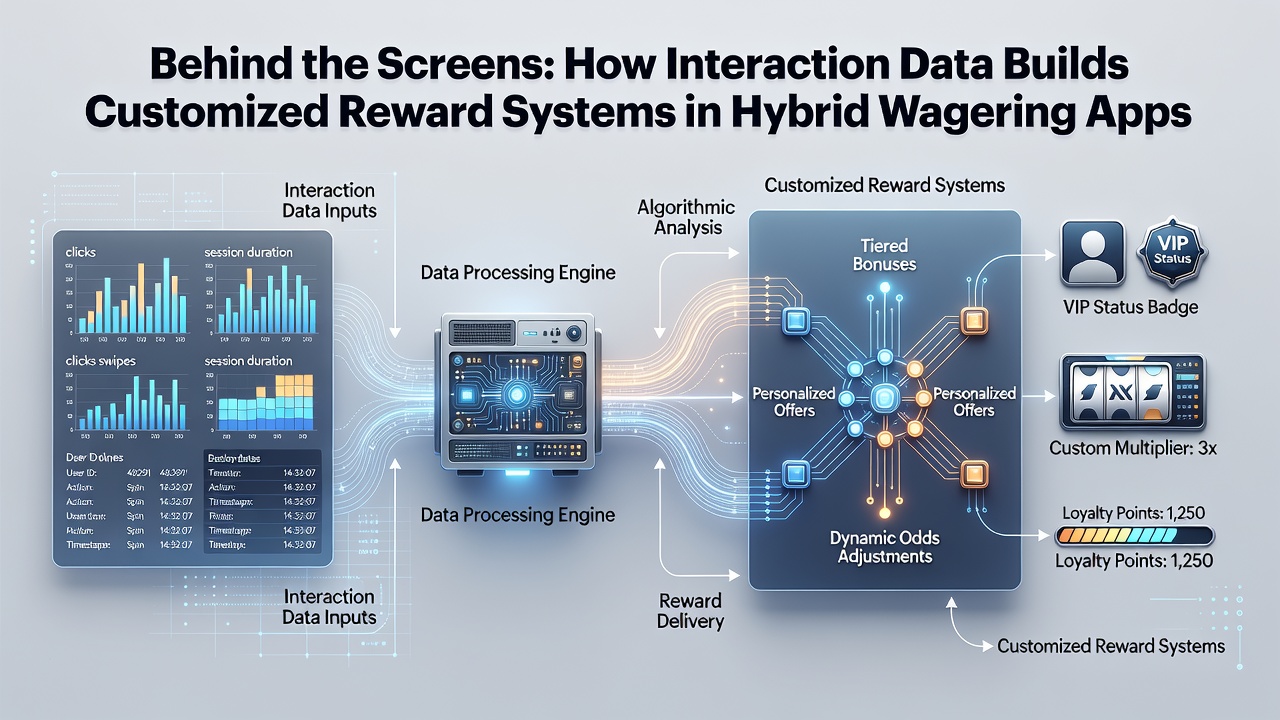
Operators frequently segment users into dynamic cohorts based on recent activity clusters rather than static demographic categories, which allows reward systems to adapt quickly when behavior shifts. A user who suddenly increases session length on mobile poker tables, for instance, may move into a new cohort that receives invitations to exclusive satellite events or rakeback enhancements. According to data shared by the American Gaming Association, platforms that implemented cohort-based reward engines in early 2026 recorded sustained growth in average revenue per user across both sports and casino verticals. The same reports show that these systems reduce the distribution of irrelevant offers, which in turn lowers opt-out rates from promotional messaging.
Regional Regulatory Influences on Data Use
Regulatory frameworks in various jurisdictions impose limits on how interaction data can be applied to reward personalization, and operators must maintain separate compliance layers that audit algorithmic outputs for fairness. In markets such as Australia and parts of Canada, guidelines require clear disclosure of data usage for reward calculations, which has led developers to build user-facing dashboards that summarize which behaviors influence bonus eligibility. European frameworks emphasize consent mechanisms that allow players to limit certain data flows, and platforms operating across borders often maintain region-specific reward engines to remain aligned with local rules. Recent enforcement actions in multiple regions have focused on transparency rather than prohibition, prompting companies to publish simplified explanations of how interaction metrics translate into personalized offers.
Technical Infrastructure Supporting Real-Time Customization
Cloud-based data pipelines and edge computing nodes work together to process interaction streams with minimal latency, enabling reward updates to appear within seconds of a qualifying action. Database architectures separate raw event logs from processed profiles, and this separation supports both rapid personalization and long-term trend analysis that informs broader product changes. Developers have integrated blockchain elements in some crypto-focused hybrids to create verifiable records of reward calculations, which reduces disputes and provides an auditable trail for regulators. Performance benchmarks published by technical working groups show that optimized systems handle millions of concurrent sessions while maintaining sub-second response times for reward delivery.
Conclusion
Interaction data has become the primary mechanism through which hybrid wagering apps construct and refine customized reward systems, and the technical and regulatory landscape continues to evolve around these capabilities. Platforms that successfully balance granular personalization with compliance requirements demonstrate measurable differences in user retention metrics, while ongoing research from academic and industry sources tracks the effectiveness of various algorithmic approaches. As data volumes grow and models improve, the connection between on-screen behavior and off-screen rewards will likely tighten further across global markets.